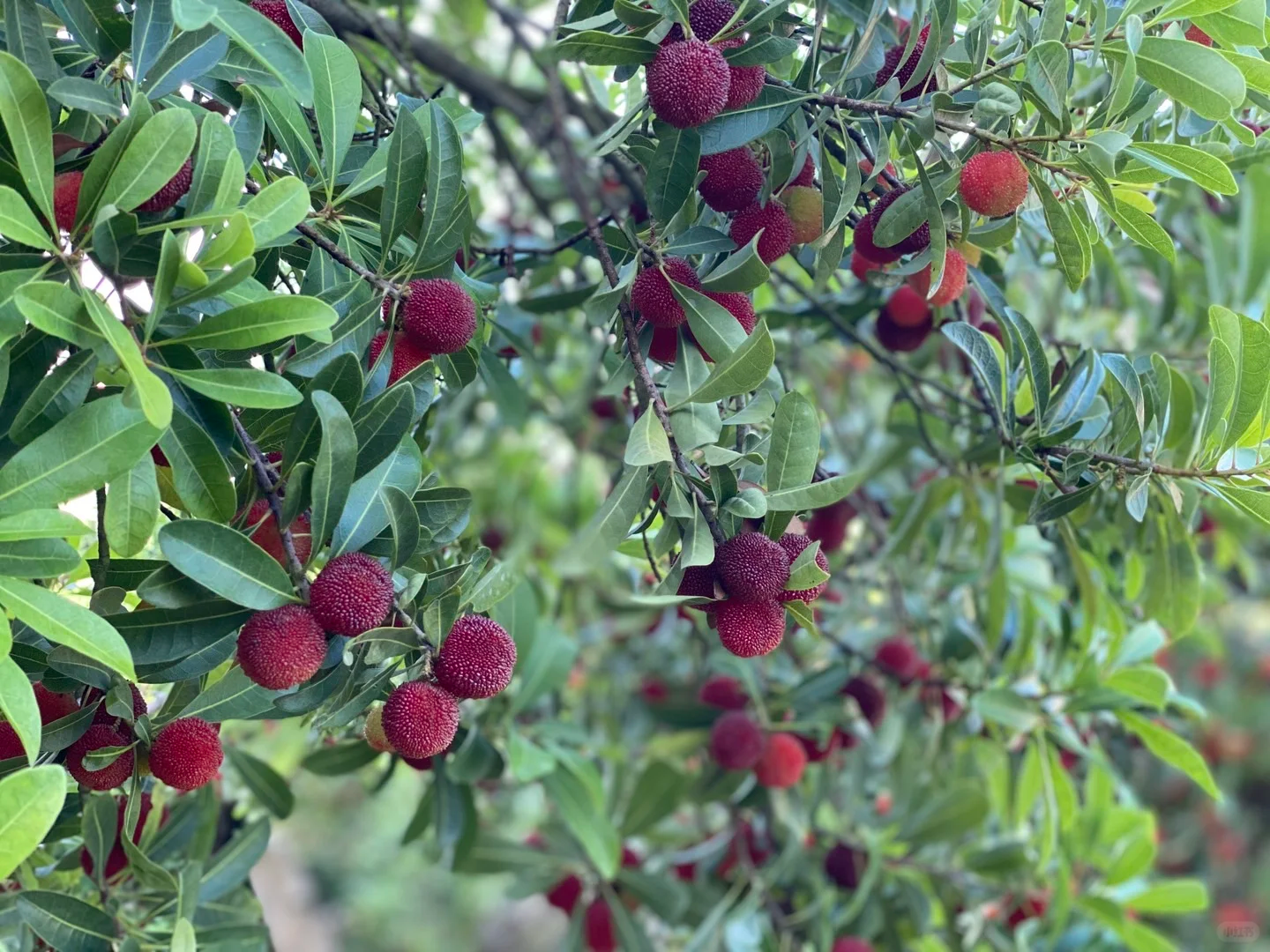
Himalayan Bayberry (Kaphal) Quick Facts
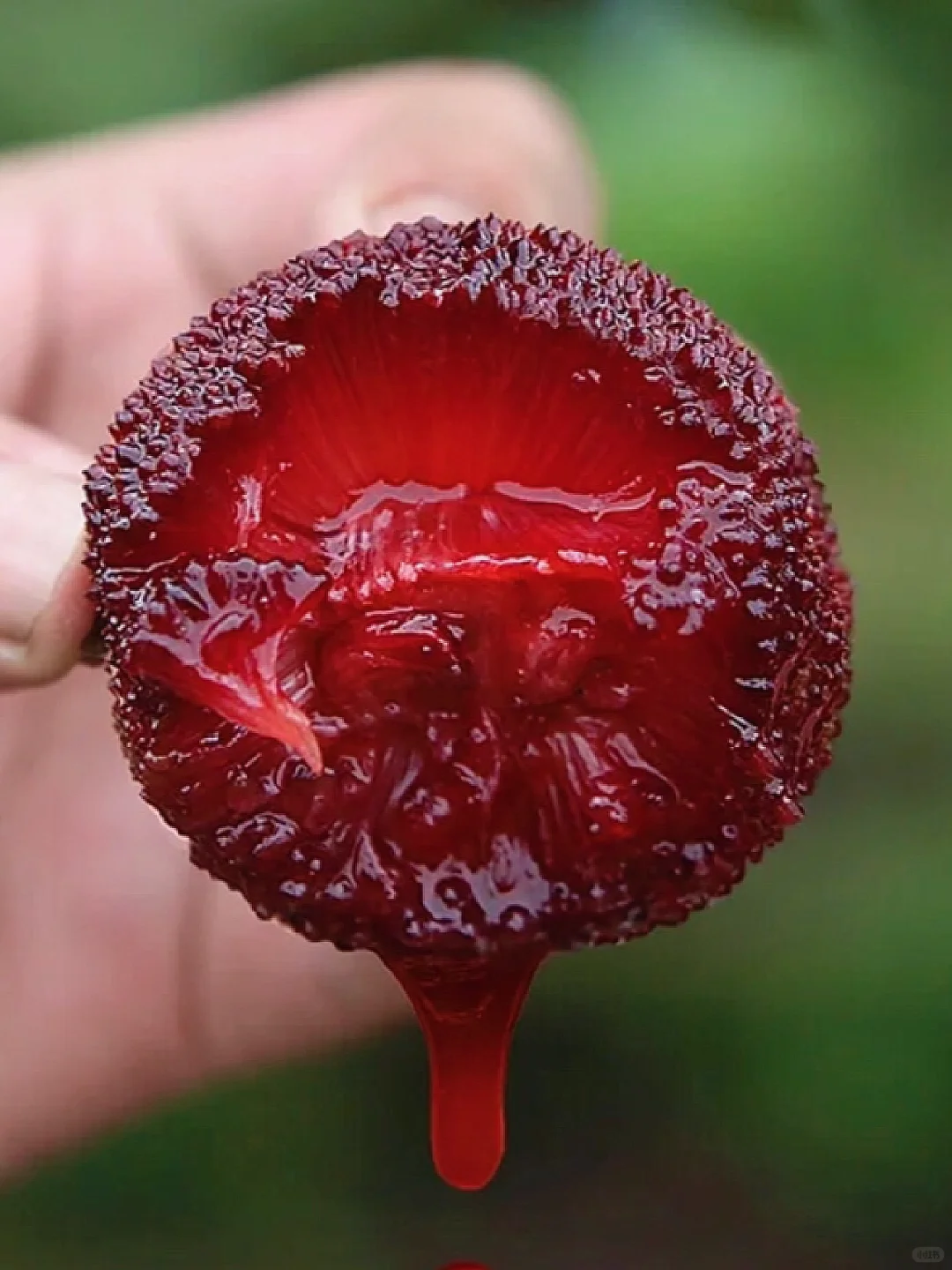
| Name: |
Himalayan Bayberry (Kaphal) |
| Origin |
Himalayas of Nepal, in southern China east to Guangdong province, in Burma, Indo-China, Thailand and hilly regions of northern India |
| Colors |
Initially green and turn reddish-purple or black when ripe |
| Shapes |
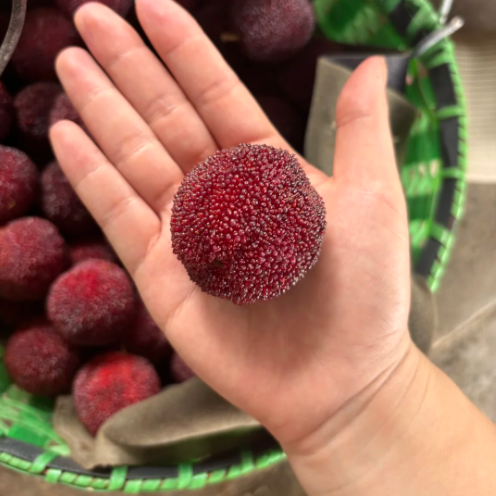
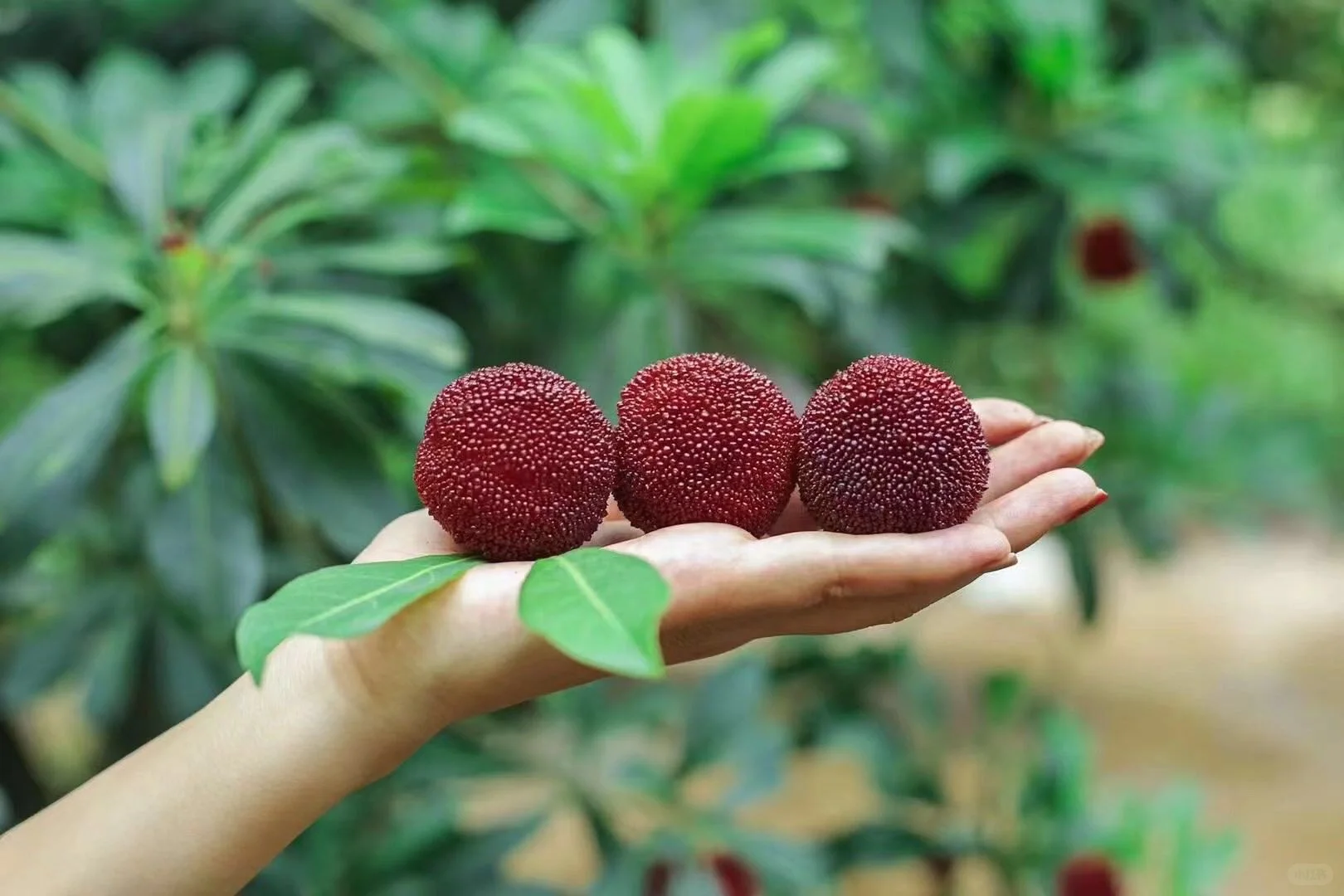
Small, round to ovoid succulent berry, usually around 1-1.5 cm in diameter |
| Major nutrients |
• Vitamins
• Minerals
• Dietary Fibers
• Antioxidants
• Natural Acids
• Phytonutrients
• Carbohydrates
• Calories
|
| Health benefits |
Digestive Health, Blood Sugar, Cholesterol Management, Immune System, Skin Health, Liver Health, Heart Health, Gastrointestinal Health, Weight Management, Respiratory Health, Dental Health, Wound Healing, Eye Health |
🌿Plant Your Own Bayberry Tree and Harvest Nature's Sweet Bounty! 🌿
Why Choose Bayberry Trees? Experience the joy of a thriving garden with our Bayberry tree seeds. In no time, you'll be surrounded by bountiful fruits resembling table tennis balls – sweet, crisp, tender, and bursting with juicy goodness.

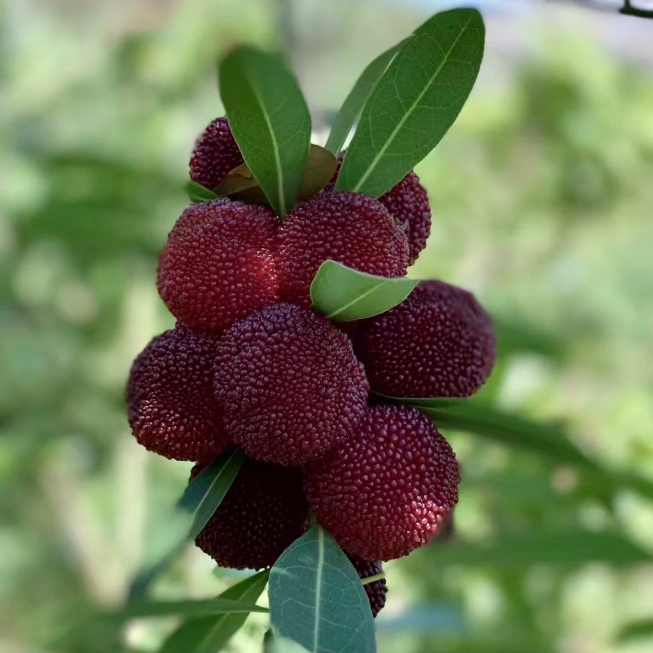
Nutrient-Rich Goodness: The red flesh of Bayberries is not just delicious; it's a nutritional powerhouse. Packed with essential nutrients, every bite is a treat for your taste buds and your well-being.
Simple Planting, Abundant Rewards: Planting a bayberry tree has never been easier! Just bury the seeds in the soil, give them a thorough watering, and watch your own bayberry grove flourish. The simplicity of the process ensures a rewarding harvest.
Enjoy Freshness Every Year: Once planted, your bayberry tree will provide you with a yearly supply of fresh, delectable bayberries. Say goodbye to store-bought fruits and hello to homegrown goodness!
Nutritious and Healthy Delight: Not only are bayberries a delicious addition to your diet, but they also contribute to your overall health. Indulge guilt-free in these nutritious and healthy treats straight from your garden.
🌱 Plant Your Bayberry Tree Today and Reap the Rewards Tomorrow! 🌱
Now is the perfect season for planting seedlings. Don't miss the opportunity to embark on your journey to homegrown, fresh bayberries. Click the link above to get your Bayberry tree seeds and start your gardening adventure now!
🌿Bayberry Seeds Planting Guide
Germination Time: Bayberry seeds typically take 4 to 6 weeks to germinate. Patience is key during this period, and maintaining consistent moisture is crucial for successful sprouting.
Planting Method:
-
Prepare the Seeds: Before planting, soak the bayberry seeds in water for 24 hours to enhance germination.
-
Sowing Depth: Plant the seeds approximately 1/4 inch deep in well-draining soil. Ensure the seeds are covered with a thin layer of soil.
-
Container Planting (Optional): If starting indoors, use seed trays or pots with good drainage. Transplant seedlings outdoors when they have reached a suitable size.
-
Sunlight Exposure: Bayberries thrive in full sunlight. Ensure your planting location receives ample sunlight for at least 6-8 hours a day.
-
Watering Routine: Keep the soil consistently moist but not waterlogged. Regular, moderate watering is essential for successful germination and early growth.
Soil Conditions:
-
Well-Draining Soil: Bayberries prefer well-draining soil to prevent waterlogged conditions, which can be detrimental to the plant's health.
-
Soil pH: Aim for slightly acidic to neutral soil with a pH range between 5.5 and 7.0.
-
Organic Matter: Enrich the soil with organic matter, such as compost, to provide essential nutrients for seedling development.
-
Aeration: Ensure proper aeration of the soil to promote root health and prevent diseases.
Remember, successful bayberry cultivation requires a balance of proper germination conditions, suitable planting methods, and well-maintained soil. Follow these guidelines, and you'll soon enjoy the rewards of a flourishing bayberry tree in your garden!
![]()
![]()
🌍 Supporting Nature, One Order at a Time! 🌿
🤝We donate $1 to the World Conservation Organization (WCO) with every purchase. ✨
This limited-time offer is your ticket to a guilt-free shopping spree. Don't miss out! Treat yourself and your loved ones while enjoying incredible discounts. Your perfect shopping experience is just a click away. 🎊

💖At bloomvero, we believe in the extraordinary power of small actions. With our "Seeds of Hope" campaign, your shopping experience takes on a whole new meaning.
💖Embark on a shopping experience with purpose! For each purchase, $1 will be donated to UNICEF — an initiative that plants seeds of hope in the lives of children worldwide. Join us in cultivating positive change while enjoying quality products.
💖Your purchase not only brings you exceptional products but also contributes to essential programs that support children's health, education, and well-being. Together, we are sowing the seeds of a better future.
💖 Make your shopping matter. Choose quality, choose compassion.
🤝 Thank you for being a part of our Seeds of Hope Campaign!
1. Ease of PlantingMyrica seeds, particularly from new varieties, are relatively easy to plant and grow. They are well-suited for home gardeners and small-scale agricultural efforts due to their resilient nature. The seeds typically require a well-drained, slightly acidic soil for optimal germination. They can be started from seed or young saplings, with proper spacing to allow for healthy growth. With regular watering and attention, these plants can thrive without overly complex care routines.
2. Taste: Moderately Sweet and SourThe seeds come from a fruit (often referred to as "sweet bayberry" or "sweet myrica") that has been specially cultivated to offer a sweet taste, with minimal sourness. This is a distinct advantage over some traditional varieties of myrica, which can have a tart or astringent flavor. The sweet variety is favored for its pleasant, mild flavor, making it ideal for snacking or for use in various culinary applications, such as jams, syrups, and desserts. The seeds themselves are edible and contain oil with potential health benefits.
3. Adaptability to Different EnvironmentsMyrica plants are known for their strong adaptability to various environments. They can grow in a range of climates, from temperate to subtropical regions, and are resistant to drought, making them highly versatile. They are also tolerant of a wide range of soil types, although they generally prefer slightly acidic, well-drained soil. The plants are often used in ecological restoration projects because they can thrive in poor soils and help prevent soil erosion.
4. New Variety PotentialNew cultivars of myrica, particularly those bred for sweeter fruits, offer significant potential for expansion in both commercial and home gardening markets. These varieties tend to have improved disease resistance, higher yields, and better flavor profiles. The development of these new strains focuses on enhancing desirable traits, such as larger, juicier fruits with lower acidity. As the demand for exotic and health-oriented fruits increases, these new varieties of myrica are becoming an attractive option for sustainable agriculture.
5. Health BenefitsMyrica seeds are also known for their nutritional content. The seeds contain oils rich in antioxidants, fatty acids, and other beneficial compounds. These oils have been studied for their potential anti-inflammatory, antimicrobial, and antioxidant properties, making the seeds not only a tasty snack but also a source of various health benefits.
🌱 Easy Cultivation Steps
✅ Prepare the seeds: Soak the seeds for 24 hours to soften the outer shell.
✅Stratification: Place the seeds in a damp towel and put them in a cool environment to simulate winter conditions, helping the seeds break dormancy.
✅Planting: After stratification, plant the seeds 1-2 cm deep in well-draining soil.
✅Location: Choose a sunny spot with slightly acidic soil.
✅Watering: Keep the soil moist, but avoid waterlogging.
✅Temperature: The ideal germination temperature is between 18-24C (64-75F).
✅Care: Once the seedlings are established, they can be transplanted to the garden or kept in pots with adequate sunlight and water.